
Tip & Trick
SharePoint can feel overwhelming for new users, but mastering these 8 beginner-friendly tips will transform how you organize, collaborate, and automate tasks—without needing advanced technical skills. These quick wins focus on practical, everyday productivity boosts for Office 365 users.
Master SharePoint Library Organization
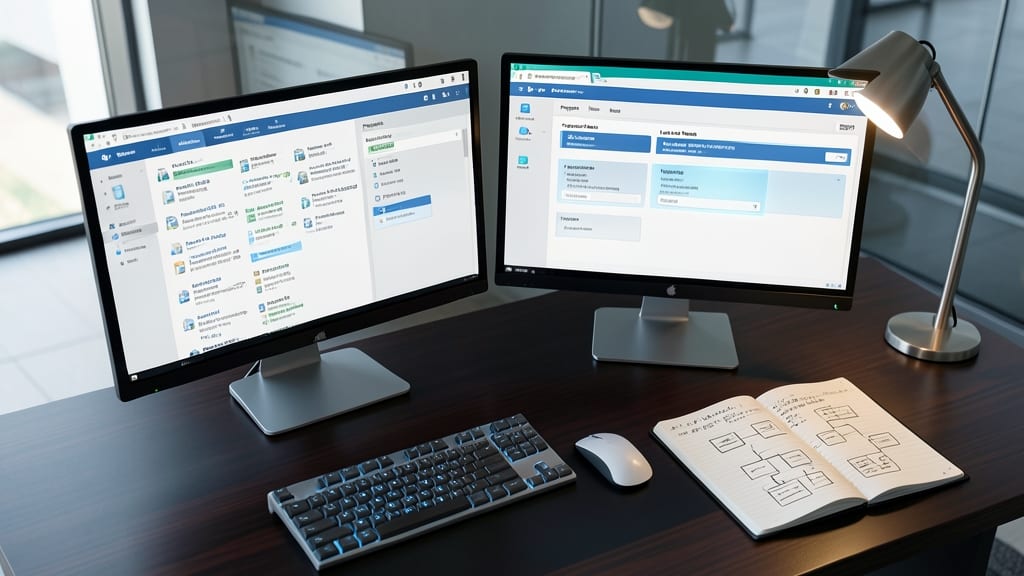
Tired of wasting time digging through endless folders to find that one file? A well-structured SharePoint document library can turn chaos into clarity with just a few clicks. Start by creating a logical folder hierarchy—think "Projects," "Reports," and "Templates"—then add metadata columns like "Department," "Owner," or "Last Updated" to filter results instantly.
Use column validation to enforce consistent data entry (e.g., dropdown menus for project statuses) and enable content approval workflows to keep outdated files locked away. SharePoint’s built-in search will then surface exactly what you need, whether it’s a client proposal from Q3 or your team’s latest budget spreadsheet.
This system is a game-changer for teams juggling shared drives or scattered email attachments. Perfect for managers, project leads, or anyone drowning in disorganized files. ✨
Create Custom Views for Faster Workflows
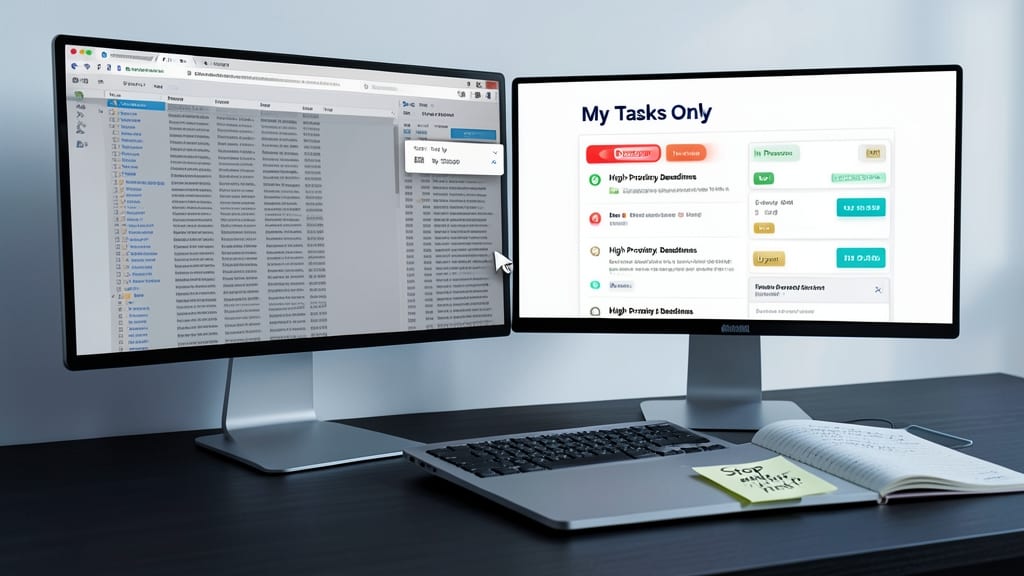
Tired of wasting minutes scrolling through endless lists just to find what you need? SharePoint’s custom views let you create personalized snapshots of your data—think "My Tasks Only" or "Overdue Projects"—so you see exactly what matters.
In just a few clicks, you can sort by priority, status, or due date and filter by columns like "Assigned To" or "Department." Need a view for approvals? One for client documents? SharePoint lets you save up to 30 custom views per list, so you’re never drowning in irrelevant data again. Pro tip: Use grouping to stack similar items together for even faster scanning.
This is your secret weapon if you’re juggling multiple projects or roles—project managers, HR teams, and support staff will save hours weekly by skipping the scroll-and-search grind. ✨
Automate Repetitive Tasks with Power Automate

Tired of chasing down approvals or drowning in status update emails? Microsoft Power Automate lets you build simple, automated workflows in minutes—no coding required. This tool connects SharePoint, Outlook, Teams, and hundreds of other apps to handle repetitive tasks like sending reminders, routing documents for approvals, or updating records automatically.
Start with a pre-built template (like "Approval Process" or "Send Email Notifications") and customize it with drag-and-drop actions. For example, auto-generate an email when a new file is added to SharePoint or flag overdue tasks in your team’s project list. The free plan includes 1,000 workflow runs per month, while paid tiers unlock advanced features like AI-powered document processing.
Perfect for managers juggling approvals or teams sick of manual follow-ups, Power Automate turns busywork into seamless processes with zero config headaches. ✨
Use SharePoint Alerts Effectively

Tired of drowning in generic SharePoint notifications that bury critical updates? SharePoint Alerts let you customize email notifications for only the changes that matter—like new files in your project folder or task assignments—so your inbox stays clean and actionable.
To set them up, navigate to any library or list, click the three dots (⋯) in the top toolbar, then select "Alert Me". Choose immediate notifications for new items or periodic summaries to avoid alert fatigue. You can even filter alerts by specific columns (e.g., only notify you when a document’s status changes to "Approved").
This is a game-changer for project managers tracking deadlines or team members who need to act fast on shared updates. No more sifting through irrelevant alerts—just the intel you need, delivered straight to your inbox. ✨
Leverage SharePoint News for Team Updates

Tired of drowning in email threads that never get resolved? SharePoint News transforms your team’s communication with rich media support, turning static updates into dynamic, interactive posts that actually get read.
Embed videos, images, and documents directly into announcements, add call-to-action buttons, and organize updates into categories like "Company News" or "Project Highlights." The searchable archive ensures no update gets lost in the shuffle—just like a team intranet, but without the IT overhead. Best of all, it syncs across devices so your team stays informed whether they’re in the office or remote. ✨
This is your go-to tool if you’re a manager replacing endless email chains with a single, centralized hub where announcements stand out—no more ignored replies or forgotten attachments. 💻
Sync SharePoint Files to OneDrive

Working remotely shouldn’t mean losing access to critical files. With SharePoint’s OneDrive sync, you get real-time offline access to your most important documents—no more waiting for slow browser loads or internet dependency.
Simply click "Sync" in your SharePoint library, and files automatically mirror to your OneDrive folder, staying updated even when offline. The automatic sync ensures you’re always working with the latest version, while conflict resolution tools handle edits seamlessly. Perfect for hybrid teams who switch between office and remote work without a hitch.
This is the ideal solution for field workers, managers, or anyone who needs instant access to files on the go. No more "I’ll check it later"—your documents are always at your fingertips. ✨
Collaborate with SharePoint Co-Authoring

Tired of endless email chains and lost document versions? SharePoint Co-Authoring lets multiple users edit the same file simultaneously—no more confusion over "finalv2final.docx."
With real-time collaboration in Word, Excel, and PowerPoint, you’ll see others’ cursors and edits as they happen. Version history tracks changes automatically, so you can revert to earlier drafts if needed. Works seamlessly with Microsoft 365 and supports up to 250 users per document—ideal for brainstorming sessions or client proposals.
Perfect for marketing teams, legal firms, or any group drafting shared documents. Say goodbye to "Who saved this last?" debates. ✨
Secure Your SharePoint with Permissions

Accidentally sharing confidential files with the wrong team? SharePoint’s permission levels—View, Edit, and Full Control—act as your first line of defense against data leaks. Unlike other tips that focus on collaboration, this one ensures only the right people access sensitive documents, contracts, or project plans.
Start by assigning View to external partners (read-only access), Edit to internal teams (modify but not delete), and Full Control only to admins (manage permissions). Pro tip: Use inheritance to apply permissions site-wide, then break inheritance for specific folders where stricter controls are needed. This granularity prevents over-sharing while keeping workflows fluid.
This is your go-to for HR documents, financial reports, or any file where mistakes could have real consequences. Spend 10 minutes setting it up right, and you’ll sleep better knowing your data’s safe. 💪