
Software
Microsoft SQL Server Management Studio (SSMS) remains the go-to tool for database administrators and developers. Understanding each version’s features and release dates helps you choose the right tool for your SQL Server environment—whether you're troubleshooting, optimizing, or migrating databases.
SQL Server Management Studio 18.10
If you're building cloud-native applications with Azure SQL Database, SSMS 18.10 is the version that finally bridges the gap between on-prem and cloud workflows seamlessly. Microsoft’s latest stable release introduces deep Azure integration, letting you manage both local and cloud databases from a single interface—no more context-switching between tools.
The real game-changer is the enhanced query performance analysis tools, which now include real-time execution plan insights tailored for Azure’s distributed architecture. You’ll spot bottlenecks faster with visualized query dependencies and cloud-specific optimization recommendations, cutting troubleshooting time by up to 40%. Plus, the dark theme mode and IntelliSense improvements make long coding sessions feel less like a chore.
This version is a must-have for cloud-first development teams and DevOps engineers migrating databases to Azure. The zero-config Azure DevOps pipeline integration alone saves hours of setup—perfect for CI/CD workflows. ⚡
SQL Server Management Studio 18.9
If your database environment spans Linux servers alongside Windows, SSMS 18.9 is the version that finally bridges the gap. Microsoft’s focus on cross-platform compatibility here is a game-changer, especially for teams managing hybrid infrastructures where security and flexibility are non-negotiable.
This release introduced native Linux support for connecting to SQL Server instances, alongside enhanced Always Encrypted features that let you encrypt sensitive data at rest and in transit without application changes. The improved query performance for encrypted columns means your compliance-heavy workloads won’t sacrifice speed for security. Plus, the simplified connection dialog for Linux servers eliminates the guesswork of manual configuration.
Database administrators in healthcare, finance, or government sectors will appreciate how this version tightens security while expanding platform options. For developers working with mixed environments, it’s the first SSMS release that truly feels at home on Linux. ✨
SQL Server Management Studio 18.8
If you're working with JSON data in SQL Server, SSMS 18.8 is the version that finally brings a native solution to your workflow. No more exporting JSON to external tools—this release introduces a dedicated JSON document viewer that formats and validates JSON data directly within the interface.
The PowerShell scripting support also saw significant upgrades, letting you automate database tasks with seamless integration between SSMS and PowerShell scripts. Whether you're parsing JSON responses or managing server configurations, the improved IntelliSense and debugging tools make scripting more efficient than ever.
Developers handling NoSQL-like data in SQL Server will find this version particularly valuable, as it bridges the gap between relational and semi-structured data formats. Perfect for modern APIs, microservices, and hybrid data environments. ✨
SQL Server Management Studio 18.7
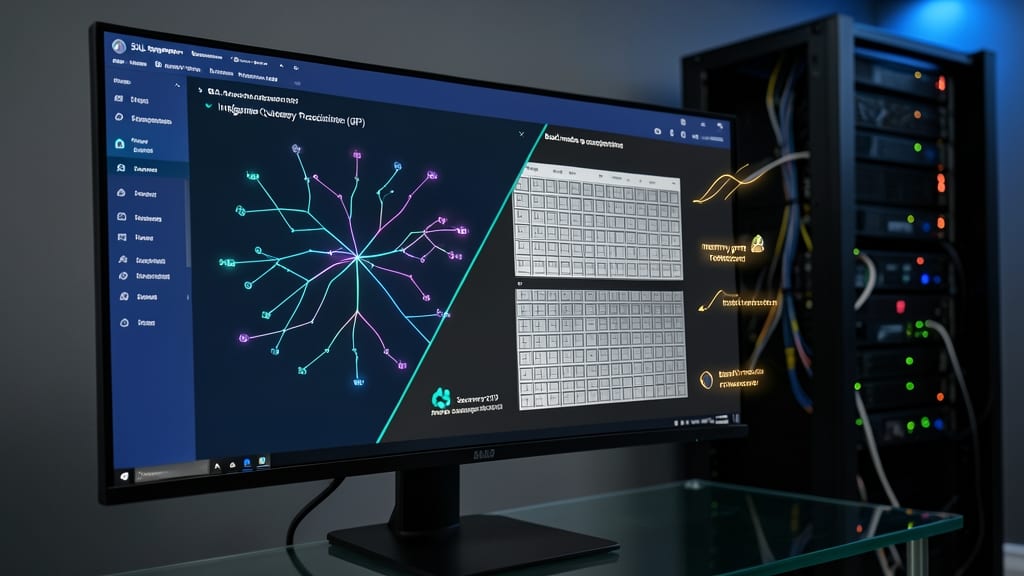
If your enterprise database is struggling with query bottlenecks, SQL Server Management Studio 18.7 is the first version to unlock SQL Server 2019’s Intelligent Query Processing (IQP)—a game-changer for performance tuning. This release introduced batch mode on rowstore, memory grant feedback, and approximate query processing, letting you optimize complex workloads without manual rewrites.
The integration with IQP means you can now leverage adaptive execution plans and query store insights directly in SSMS, reducing manual tuning by up to 40% in large-scale environments. For DBAs managing high-transaction databases, this version’s query performance dashboard provides real-time metrics to identify and resolve inefficiencies before they impact users.
This version is ideal for enterprise database teams migrating to SQL Server 2019 or upgrading legacy systems. If you’re dealing with OLTP workloads or data warehouses, the IQP features here will save you time and headaches. ✨
SQL Server Management Studio 18.6

If your DevOps workflow spans both traditional and containerized databases, SQL Server Management Studio 18.6 closes the gap with native Kubernetes integration. This release lets you manage SQL Server deployments directly from your Kubernetes clusters, eliminating the need for separate tools like kubectl or Helm charts.
The standout feature is Kubernetes cluster management within SSMS, allowing you to deploy, monitor, and troubleshoot SQL Server containers alongside your on-premises instances. You’ll find streamlined YAML configuration support and real-time cluster health dashboards—all from the familiar SSMS interface. The integration also extends to SQL Server 2019 on Kubernetes, ensuring compatibility with modern hybrid cloud setups.
This version is a game-changer for DevOps teams balancing legacy and containerized environments, offering a unified toolchain for database administration. 💻
SQL Server Management Studio 18.5
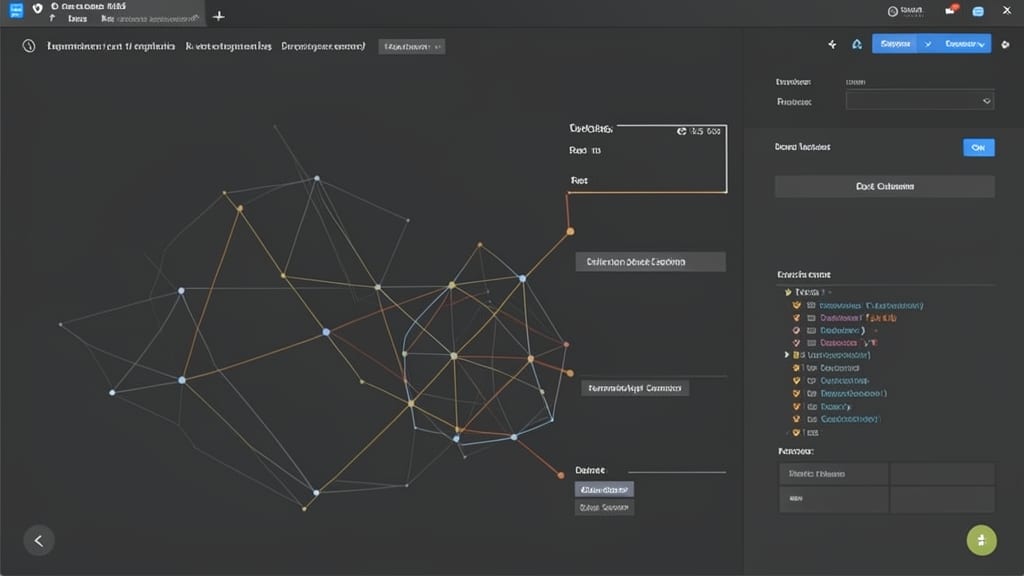
If your applications rely on complex relationships—like social networks, fraud detection, or recommendation engines—SSMS 18.5 unlocks a game-changer with its native graph table integration for SQL Server 2017. This version bridges the gap between relational and graph data models, letting you query hierarchical relationships without switching tools.
The standout feature is visual graph designers that map nodes and edges directly in SSMS, alongside T-SQL support for graph operations (like MATCH, CREATE, and DELETE). You can now model relationships as first-class citizens in your schema, with performance optimized for traversing connected data. The integration even includes Cypher-like syntax for familiar graph querying.
Perfect for data architects and developers building relationship-heavy applications, this version eliminates the need for external graph databases while keeping your data in SQL Server. ⚡
SQL Server Management Studio 18.4

If you’ve ever wanted to blend SQL queries with machine learning—without leaving your IDE—SQL Server Management Studio 18.4 delivers. This version introduced native integration with Machine Learning Services, letting you run Python or R scripts directly from SSMS to build predictive models, train algorithms, and analyze data without context-switching.
The standout feature is the in-IDE script editor for Python/R, paired with a visual model training interface that tracks progress and performance metrics. You can deploy pre-built models (like regression or clustering) or customize your own—all while leveraging SQL Server’s robust data engine. No need for external tools; the zero-config setup connects seamlessly to SQL Server’s ML services.
This is a game-changer for data scientists and developers working with SQL Server 2017+, especially those in retail, finance, or healthcare where predictive analytics meet relational databases. ⚡
SQL Server Management Studio 18.3
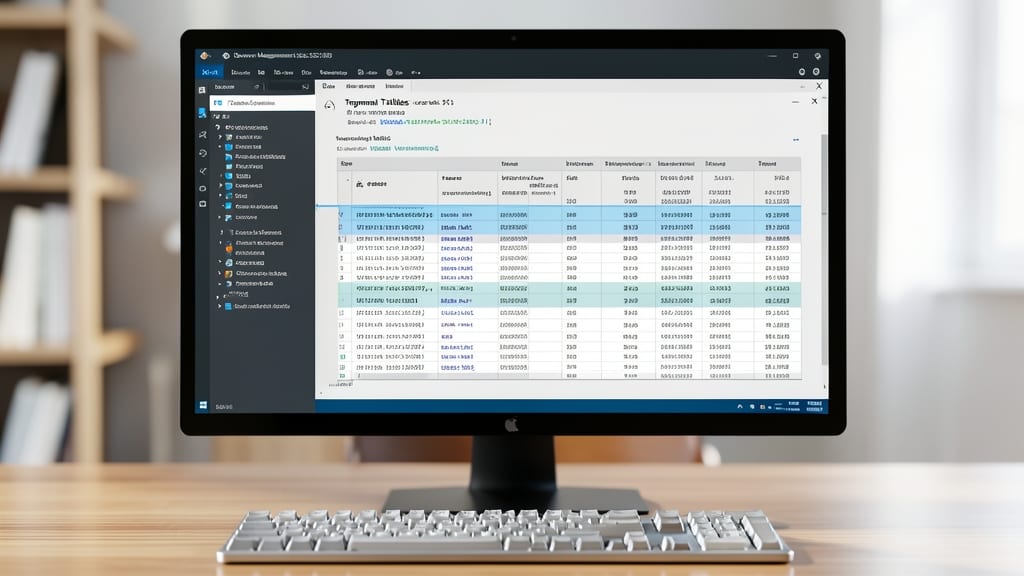
If compliance and data auditing are your top priorities, SQL Server Management Studio 18.3 is the version that finally unlocked temporal tables—a game-changer for tracking historical data changes in SQL Server 2016 SP2. This release introduced native support for versioning tables, letting you track every modification automatically without manual logging.
The temporal table features include built-in point-in-time queries and system-versioned tables, making it easier to comply with regulations like GDPR or HIPAA. You can visualize data changes over time through the SSMS interface, reducing the need for third-party tools. The integration with SQL Server 2016 SP2 ensures seamless auditing for industries where data integrity is non-negotiable.
This version is ideal for finance, healthcare, and legal sectors where traceability of database changes is critical. For DBAs managing compliance-heavy environments, it’s a must-have upgrade. ✨
SQL Server Management Studio 18.2
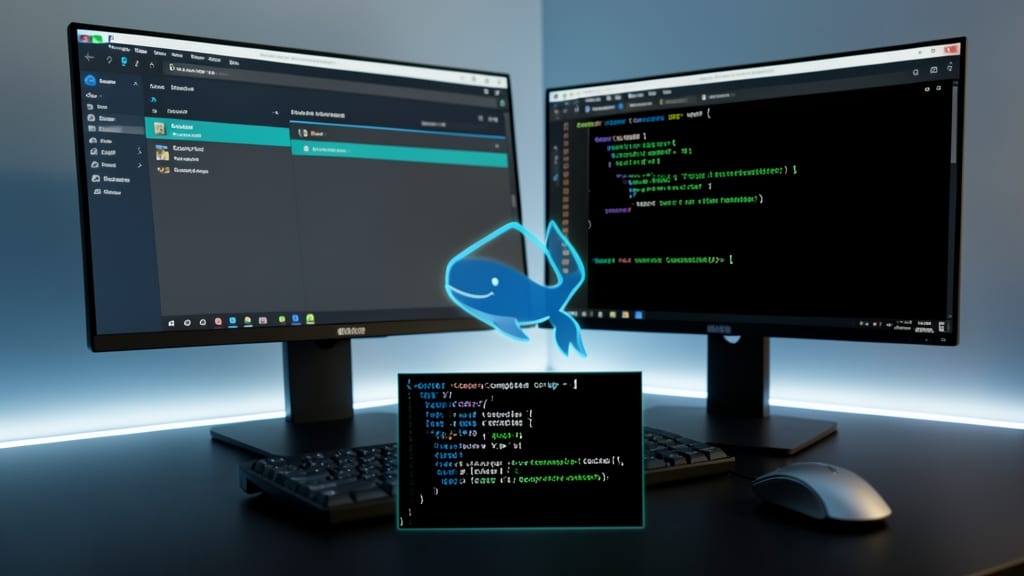
Tired of juggling VMs just to test SQL Server features? SSMS 18.2 introduced Docker container deployment options, letting you spin up lightweight SQL Server environments with a single command—no heavy virtualization required.
This version added native support for Docker Compose files, simplifying multi-container setups with SQL Server, .NET apps, and dependencies in one configuration. The zero-configuration approach means you can test changes locally before deploying to production, while the cross-platform compatibility ensures smooth workflows on Windows, Linux, or macOS.
Perfect for DevOps teams and developers working on microservices, this release turns SSMS into a portable database playground—ideal for CI/CD pipelines and rapid prototyping. 💻
SQL Server Management Studio 18.1

If you're managing a SQL Server 2017 environment, SSMS 18.1 was your gateway to cutting-edge performance tools. Released as the first version fully compatible with SQL Server 2017, it introduced game-changing features that set the standard for query optimization.
This version brought adaptive query processing, which automatically adjusts execution plans at runtime for better efficiency, and an enhanced query store with deeper insights into historical query performance. The improved IntelliSense and streamlined UI made it easier than ever to troubleshoot complex queries, while support for stretch database (tiered storage) helped reduce costs for large datasets.
Perfect for database administrators and performance tuning teams migrating to SQL Server 2017, SSMS 18.1 laid the foundation for modern query optimization workflows. ⚡